
An apartment turnover is more than just a quick wipe-down; it's a critical process that directly impacts your property's reputation, vacancy rates, and bottom line. A pristine, move-in-ready unit not only attracts high-quality tenants but also minimizes disputes over security deposits and sets a high standard for property care from day one. For property managers and landlords, especially in competitive markets like Buford, GA, mastering this process is essential for maintaining profitability and protecting your investment.
However, the turnover is often a race against the clock, filled with hidden grime, stubborn stains, and unexpected maintenance needs. This comprehensive apartment turnover cleaning checklist is designed to eliminate guesswork and streamline your operations. We will provide a systematic, room-by-room guide covering everything from deep cleaning kitchens and sanitizing bathrooms to professional carpet care for pet odors and refinishing floors. To streamline the transition from one tenant to the next, property managers can also provide tenants with a comprehensive ultimate move-out cleaning checklist to ensure the unit is left in the best possible condition, simplifying your work.
This guide breaks down every essential task, offering actionable steps, pro-level tips, and realistic time estimates. Whether you manage multiple units or are a homeowner handling your first turnover, this checklist will equip you to transform any apartment from lived-in to brand new, ensuring a seamless and profitable transition for your next tenant. We'll cover:
- Kitchen Deep Cleaning and Degreasing
- Bathroom Sanitization and Mold Prevention
- Carpet Cleaning and Stain Removal
- Window and Glass Cleaning
- Flooring Refinishing and Deep Cleaning
- Wall Cleaning, Touch-ups, and Paint Preparation
- HVAC System Cleaning and Filter Replacement
- Appliance Replacement and Deep Cleaning
1. Kitchen Deep Cleaning and Degreasing
The kitchen is the heart of a home, but in a rental unit, it's often the epicenter of wear and tear. A thorough kitchen deep clean is non-negotiable in any effective apartment turnover cleaning checklist. This process goes beyond a simple wipe-down; it involves systematically removing accumulated grease, food residue, and stubborn stains from every surface and appliance to restore the space to a pristine, move-in-ready condition.
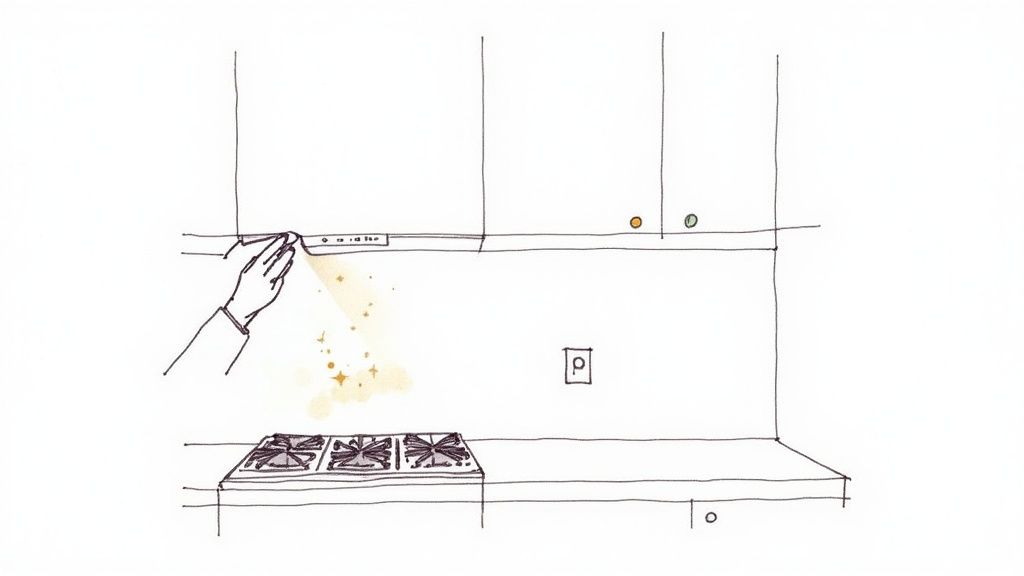
This step is critical because a sparkling kitchen directly impacts a new tenant's first impression and sets the standard for hygiene and care. Property management firms have found that a meticulously cleaned kitchen can dramatically reduce initial tenant complaints and maintenance requests.
Why It's a Top Priority
Neglecting the kitchen can lead to lingering odors, pest infestations, and health hazards. Grease buildup is a significant fire risk, especially around stovetops and exhaust fans. For landlords and property managers in areas like Buford, GA, presenting a spotless kitchen is essential for attracting and retaining high-quality tenants in a competitive market.
For example, Austin Property Management successfully cut their turnover-related complaints by 40% simply by implementing a more rigorous, standardized kitchen deep cleaning protocol. This proves that investing time here yields significant returns in tenant satisfaction and operational efficiency.
Actionable Cleaning Strategy
To execute a successful kitchen deep clean, follow a systematic, top-to-bottom approach. This ensures that dust and debris from upper surfaces don't re-soil areas you've already cleaned.
- Start High: Begin with light fixtures, the tops of cabinets, and the range hood. These areas collect an invisible layer of greasy dust.
- Cabinets and Drawers: Empty, wipe down, and disinfect the inside and outside of all cabinets and drawers. Pay close attention to handles and knobs.
- Appliances: This is the most time-consuming part.
- Refrigerator: Pull it out to clean behind and underneath. Clean the interior shelves, drawers, and door seals.
- Oven/Stovetop: Use a heavy-duty oven cleaner for the interior and soak racks. Degrease the stovetop, knobs, and control panel.
- Dishwasher: Clean the filter, spray arms, and run a cleaning cycle with a dishwasher-specific cleaner.
- Microwave: Clean the interior, including the turntable and roof of the unit.
- Counters and Backsplash: Degrease and disinfect all countertops and the backsplash, paying special attention to grout lines where grime can hide.
- Sink and Floors: Finish by scrubbing the sink and faucet, then thoroughly sweeping and mopping the floor.
2. Bathroom Sanitization and Mold Prevention
The bathroom is a high-moisture environment, making it a prime breeding ground for mold, mildew, and bacteria. Comprehensive sanitization is a crucial component of any apartment turnover cleaning checklist, focusing on eliminating health hazards and restoring the space to a hygienic, welcoming state. This process involves deep cleaning all fixtures, scrubbing grout lines, and treating surfaces to prevent future microbial growth.
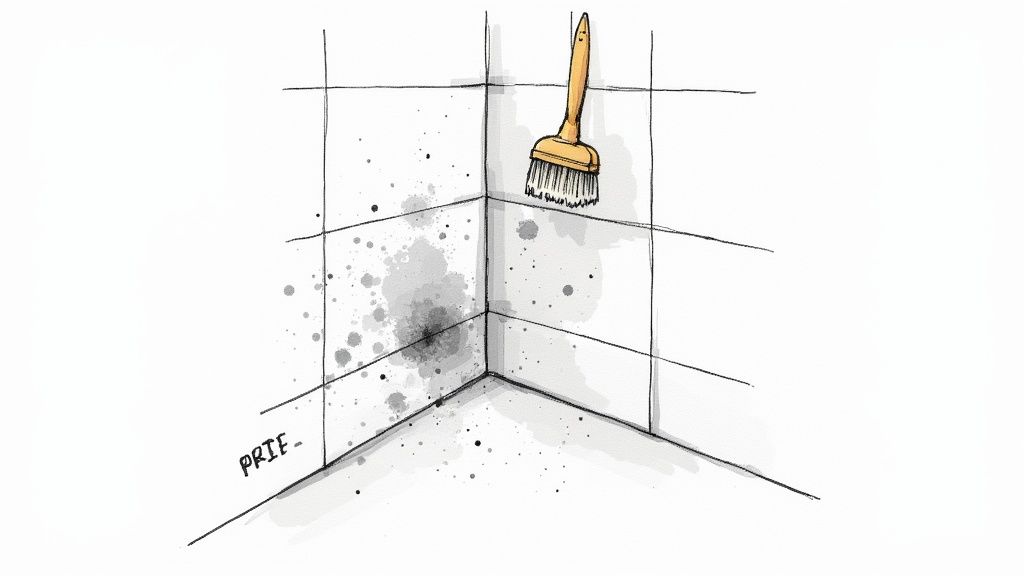
This step is vital for both tenant health and property preservation. A bathroom that looks clean but harbors hidden mold or bacteria can lead to serious tenant complaints, potential liability issues, and costly remediation down the line. A properly sanitized bathroom reassures incoming tenants that their new home is safe and well-maintained.
Why It's a Top Priority
Neglecting proper bathroom sanitization can result in persistent odors, allergic reactions, and respiratory issues for tenants. Mold, in particular, can damage grout, drywall, and subflooring if left unchecked. For property managers in humid climates, like those managing apartments in Buford, GA, proactive mold prevention is an essential risk management strategy.
For instance, property managers who follow Environmental Protection Agency (EPA) cleaning standards and use enzymatic cleaners have reported a significant reduction in post-turnover mold complaints, sometimes by as much as 35%. This demonstrates that a thorough, science-backed approach protects both tenants and the property owner's investment.
Actionable Cleaning Strategy
A systematic approach ensures that every corner of the bathroom is disinfected and protected. Proper ventilation during and after cleaning is non-negotiable to remove fumes and help surfaces dry completely.
- Ventilation First: Before starting, open a window or turn on the exhaust fan to ensure proper air circulation. Clean the exhaust fan cover and blades to improve its efficiency.
- Shower and Tub: Spray down the shower, tub, and tile with a heavy-duty bathroom cleaner or a mold-specific treatment. Let it sit for at least 15-30 minutes before scrubbing grout lines with a stiff brush.
- Toilet and Sink: Thoroughly disinfect the toilet, both inside and out, including the base and behind the unit. Scrub the sink, faucet, and drain to remove all soap scum and hard water deposits.
- Vanity and Medicine Cabinet: Wipe down and disinfect all surfaces inside and out of the vanity and medicine cabinet. Don't forget the mirror, light fixtures, and hardware.
- Final Touches and Floors: After all surfaces are clean, sweep and mop the floor with a disinfecting solution, paying close attention to the corners and around the base of the toilet. Dry all surfaces completely to prevent new moisture buildup. Consider applying a grout sealer after cleaning to provide long-term protection against mold and stains.
3. Carpet Cleaning and Stain Removal
Carpets can harbor an astonishing amount of dirt, allergens, and odors left behind by previous tenants. Professional carpet cleaning is a cornerstone of any comprehensive apartment turnover cleaning checklist, transforming a worn, stained floor into a fresh and inviting surface. This process involves more than a simple vacuuming; it utilizes specialized equipment and techniques like hot water extraction to lift embedded dirt, eliminate tough stains, and neutralize odors from pets, smoke, or cooking.
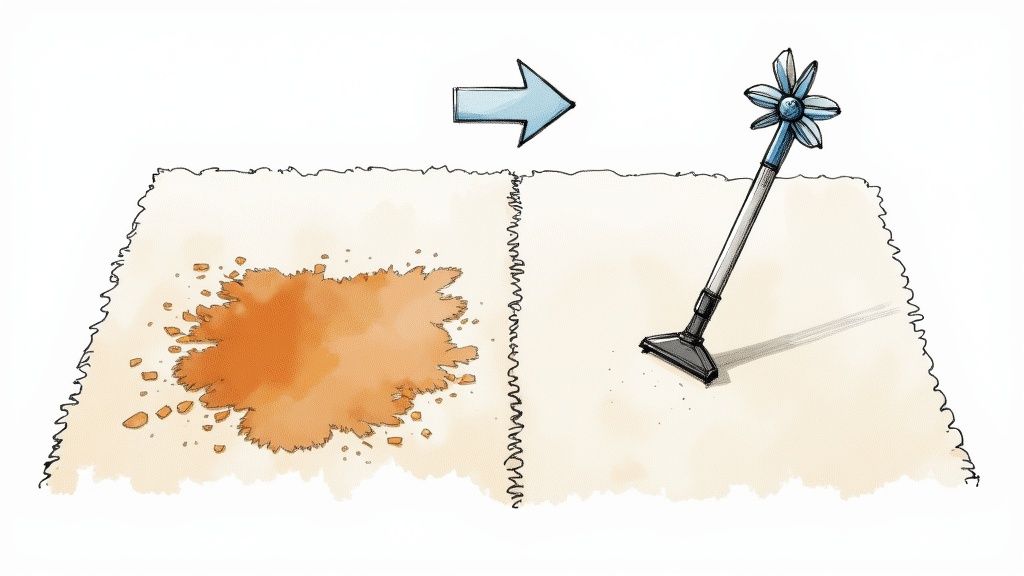
This step is crucial for both aesthetic and hygienic reasons. A clean carpet immediately elevates the perceived value of the unit, while removing allergens improves indoor air quality for the incoming resident. For property managers, professionally cleaned carpets can extend their lifespan, delaying the significant cost of replacement.
Why It's a Top Priority
Dirty carpets are one of the most common complaints from new tenants. Neglecting them can lead to disputes over security deposits, negative online reviews, and a unit that feels unclean no matter how spotless the other surfaces are. The Institute of Inspection, Cleaning and Restoration Certification (IICRC) sets the industry standards that professionals follow to ensure carpets are not just clean, but properly restored.
Major industry players like the SERVPRO franchise network, which cleaned over 50,000 rental units post-turnover in 2023, demonstrate the scale and importance of this service. Similarly, some property management firms in Portland have reported up to a 45% faster turnover time simply by outsourcing carpet care to professionals, ensuring units are rent-ready sooner.
Actionable Cleaning Strategy
To maximize the effectiveness of carpet cleaning, timing and technique are everything. It should be one of the final tasks performed to prevent re-soiling from other cleaning activities.
- Schedule Smart: Always schedule professional carpet cleaning after all painting, repairs, and deep cleaning of other rooms are complete.
- Pre-Treat Stains: Address specific stains first. Use enzyme-based cleaners for organic stains like pet accidents or food spills, as they break down the proteins causing the stain and odor.
- Choose the Right Method: Hot water extraction (steam cleaning) is highly effective for deep cleaning. For delicate fibers or faster drying, dry cleaning methods might be more appropriate.
- Accelerate Drying: After cleaning, use fans and open windows to promote air circulation and significantly reduce drying time, preventing any musty smells from developing. You can learn more about the deep carpet cleaning process and its benefits for property turnovers.
- Document Everything: Take clear "before" and "after" photos of the carpets, especially any pre-existing damage or stubborn stains. This creates a valuable record for your maintenance files and security deposit documentation.
4. Window and Glass Cleaning
Often overlooked, the complete cleaning of windows, glass doors, and mirrors is a detail that significantly elevates the perceived cleanliness and appeal of a rental unit. This task in the apartment turnover cleaning checklist involves removing all streaks, fingerprints, dust, and grime to maximize natural light and present a flawless finish. Crystal-clear glass makes a space feel brighter, larger, and meticulously maintained.
This step is vital because clean windows directly influence a prospective tenant’s perception of the property's upkeep. Smudged or dusty glass can make an otherwise clean apartment feel neglected. Property management companies have noted that professional window cleaning can lead to a 30% improvement in the quality of their online listing photos, attracting more interest.
Why It's a Top Priority
Dirty windows not only obstruct views and light but also signal a lack of thoroughness in the turnover process. In regions with specific environmental challenges, this becomes even more crucial. For example, property managers in desert climates like Arizona and Nevada often hire professional window cleaners to combat the constant buildup of dust and sand.
Similarly, ensuring safety and compliance is a factor in urban settings. High-rise apartment managers in cities like Chicago are often required to use certified and insured window cleaning companies for exterior glass, making it a planned, professional part of their turnover protocol. This attention to detail reflects well on the management and the property itself.
Actionable Cleaning Strategy
A systematic approach ensures a streak-free, professional result. For a comprehensive clean, address every component of the windows and other glass surfaces.
- Prepare the Area: Begin by removing and cleaning window screens separately. A simple scrub with soapy water and a soft brush works well. Also, wipe down the window frames, sills, and tracks to remove accumulated dust and debris before tackling the glass.
- Choose the Right Solution: A simple and effective solution is a 1:1 ratio of white vinegar and water. This eco-friendly option, popularized by green cleaning advocates, cuts through grime without leaving chemical residue.
- Technique for a Streak-Free Finish:
- Application: Spray the solution generously onto the glass.
- Wiping: Use a squeegee for large windows, pulling down in a single, smooth motion and wiping the blade after each pass. For smaller panes or mirrors, use a microfiber cloth or even a coffee filter, which won't leave lint behind like paper towels.
- Polishing: Use a second, dry microfiber cloth to buff out any remaining moisture or minor streaks for a final polish.
- Final Check: View the glass from different angles and in different lighting to catch any missed spots or streaks.
5. Flooring Refinishing and Deep Cleaning
Flooring is one of the largest and most impactful surfaces in a rental unit, making its condition a cornerstone of the tenant's first impression. Comprehensive floor care, a vital part of any apartment turnover cleaning checklist, involves more than just sweeping and mopping. It requires a detailed assessment and targeted treatment, which may include deep cleaning, stripping, waxing, buffing, or even complete refinishing to restore the floor’s original luster and ensure its longevity.
This step is crucial because worn, stained, or damaged floors can make an otherwise clean apartment feel old and poorly maintained. For property managers, investing in proper floor restoration protects a significant asset and directly influences the perceived value of the unit, justifying rental rates and attracting discerning tenants.
Why It's a Top Priority
Neglected floors accumulate scratches, deep-set grime, and finish wear that regular cleaning cannot fix. This not only looks unappealing but can also lead to permanent damage, requiring costly replacement down the line. In older buildings, properly sealing and refinishing hardwood can prevent splintering and moisture damage, preserving the property's character.
For instance, many premium apartment communities in competitive urban markets make hardwood floor refinishing a standard procedure between every tenant. This commitment ensures each new resident experiences a "like-new" environment, significantly boosting satisfaction and renewal rates. Conversely, budget-conscious operators often choose durable tile or laminate for easier, more cost-effective turnover maintenance.
Actionable Cleaning Strategy
A successful flooring strategy begins with a thorough assessment to determine the right course of action. Always schedule this task for the end of the turnover process to avoid damage or re-soiling from other cleaning activities.
- Assess and Identify: Determine the floor type (hardwood, tile, laminate, vinyl) and its condition. Look for deep scratches, finish dullness, grout discoloration, or wax buildup.
- Choose the Right Method:
- Hardwood: For minor wear, a deep clean with a pH-neutral cleaner like Bona Hard-Surface Floor Cleaner is sufficient. For significant scratches or dullness, a screen and recoat or a full refinish using products from Minwax or Varathane may be necessary.
- Tile and Grout: Use a grout-specific cleaner to remove discoloration. Consider hiring a professional for grout sealing, which prevents future staining and simplifies maintenance.
- Vinyl/VCT: This may require stripping old wax and applying several new coats, followed by buffing for a high-gloss, protective finish.
- Execute with Care: Ensure proper ventilation, especially when using chemical strippers or polyurethane sealers. Allow for adequate curing time as specified by the product manufacturer before allowing any foot traffic.
- Document and Protect: Take detailed photos of the restored floors before the new tenant moves in. Use protective coverings during the final walkthrough and consider providing tenants with care guidelines to help extend the life of the floors.
6. Wall Cleaning, Touch-ups, and Paint Preparation
After floors and major surfaces, the walls are the largest and most visible area in any room. Their condition profoundly affects a new tenant's perception of cleanliness and care. A crucial part of any apartment turnover cleaning checklist is addressing scuffs, stains, and general dinginess on wall surfaces to create a fresh, welcoming environment.
This step ranges from simple spot cleaning to a full repaint, depending on the wall's condition. The goal is to present a uniform, unblemished canvas that makes the entire unit feel new, bright, and meticulously maintained. A fresh coat of paint is one of the highest-impact improvements a property manager can make.
Why It's a Top Priority
Scuffed, marked, or dirty walls immediately signal neglect and can make an otherwise clean apartment feel old and poorly kept. For landlords in competitive markets like Buford, GA, presenting freshly painted or spotlessly clean walls is a powerful marketing tool. It justifies rental prices and attracts tenants who are more likely to care for the property.
Industry best practices show a clear return on investment. Property management companies often report the ability to command 15-20% higher rents for units that are freshly painted between tenants. This investment not only enhances aesthetic appeal but also covers minor imperfections and potential lingering odors absorbed by old paint.
Actionable Cleaning Strategy
A systematic approach ensures that walls are perfectly prepared for the next resident, whether that involves a simple clean-up or a full repaint.
- Initial Cleaning: Start by gently washing walls with a mild soap and water solution to remove dust, grime, and minor marks. For stubborn scuffs and crayon marks, a magic eraser is an excellent first-line defense.
- Assess and Patch: Once clean, thoroughly inspect all walls for holes from nails, screws, or other damage. Fill these imperfections with spackle, sand them smooth once dry, and prime the patched areas to ensure the final paint coat is even.
- Choose the Right Paint: Opt for high-quality, durable paint designed for rental properties. Popular neutral colors like Sherwin-Williams 'Alabaster' or 'Agreeable Gray' make spaces feel larger and appeal to a broad range of tastes. A satin finish is often preferred over flat as it is easier to wipe clean.
- Painting Process: If repainting, begin after all major cleaning and repairs are done but before the final floor cleaning. Use a quality primer for better coverage and stain blocking. Don't forget to paint the baseboards and trim for a completely polished, professional appearance. This is a key step in a comprehensive maintenance plan; you can learn more about home maintenance checklists on citruscarpetcleaningatlanta.com.
- Ventilation and Drying: Ensure the unit is well-ventilated during and after painting. Allow adequate drying time as specified by the paint manufacturer before allowing new tenants to move in.
7. HVAC System Cleaning and Filter Replacement
Often overlooked, the heating, ventilation, and air conditioning (HVAC) system is the respiratory system of the apartment. A comprehensive apartment turnover cleaning checklist must include servicing this system, which involves replacing filters, cleaning visible components, and ensuring full functionality. This process is about more than just maintenance; it directly safeguards indoor air quality and tenant health.
This step is crucial because a neglected HVAC system can circulate dust, allergens, mold spores, and other pollutants throughout the unit, leading to health complaints and tenant dissatisfaction. Proactively addressing the HVAC system demonstrates a commitment to tenant well-being and prevents costly emergency repairs down the line.
Why It's a Top Priority
Failing to service the HVAC system can result in poor air quality, unpleasant odors, and increased utility bills due to inefficiency. In humid climates like those in Georgia and Florida, unmaintained systems are breeding grounds for mold and mildew, posing significant health risks and potential liability issues for landlords. For property managers in the Buford, GA, area, advertising a unit with a freshly serviced HVAC system and clean ductwork can be a major selling point for health-conscious tenants.
For instance, property management firms in allergy-prone regions often market professionally cleaned air ducts as a premium amenity, attracting higher-quality applicants and justifying higher rental rates. This proactive measure enhances the property's value and reduces turnover.
Actionable Cleaning Strategy
To ensure your heating, ventilation, and air conditioning systems are thoroughly addressed during turnover, integrate a robust HVAC preventative maintenance checklist into your process. This guarantees consistency and prevents critical steps from being missed.
- Filter Replacement: The most basic and vital step. Replace the old filter with a new, high-quality one. Consider using filters with a MERV 11 rating or higher to better capture small particulates and allergens.
- Visual Inspection and Cleaning: Turn off the power to the unit. Vacuum dust and debris from the air handler, intake vents, and accessible registers. Wipe down the exterior of the unit.
- Condensate Drain Line: Check the drain line for clogs or blockages, which can cause water damage. Flush the line with a solution of vinegar and water to clear out any buildup.
- Test System Functionality: After cleaning and reassembly, turn the power back on. Test both the heating and cooling functions to ensure the system runs smoothly and quietly before the new tenant moves in.
- Professional Servicing: Schedule a professional HVAC inspection and deep cleaning annually, ideally during a turnover. Certified technicians can perform tasks like coil cleaning and refrigerant level checks that go beyond standard maintenance.
Addressing the HVAC system not only improves the living environment but also extends the lifespan of the equipment. To learn more about how professional cleaning services can enhance your property's indoor air quality, consider consulting with certified experts.
8. Appliance Replacement and Deep Cleaning
Appliances are a cornerstone of a rental unit's functionality and appeal. This crucial step in the apartment turnover cleaning checklist involves a dual process: meticulously deep cleaning all existing appliances and strategically deciding when to replace them. This ensures every appliance, from the refrigerator to the dishwasher, is either restored to like-new condition or upgraded to meet modern tenant expectations.
This step is critical because functional, clean, and modern appliances are a major factor in a prospective tenant's leasing decision. Outdated or malfunctioning equipment can lead to dissatisfaction, negative reviews, and increased maintenance calls, while updated appliances can justify higher rent and attract premium tenants.
Why It's a Top Priority
Neglecting appliance health is a direct path to tenant complaints and operational headaches. A noisy dishwasher, an inefficient refrigerator, or a stained oven detracts significantly from the living experience. For property managers, ensuring appliances are in top shape is a key part of asset protection and maintaining a property's competitive edge in a crowded market.
For example, many forward-thinking property management firms now budget to replace all major appliances every 7-10 years, regardless of their functional state. This proactive approach prevents unexpected failures and allows them to market their units with consistently modern amenities, often justifying a rent premium of $50 to $150 per month.
Actionable Cleaning and Replacement Strategy
A systematic evaluation determines whether to clean or replace. Always begin with a thorough cleaning and inspection before making a final decision on replacement.
- Inspect and Document: First, test every appliance for full functionality. Document the make, model, and serial number for your records. Note any cosmetic damage, missing parts, or performance issues.
- Deep Clean Existing Appliances: If an appliance is functional and in good cosmetic condition, perform a deep clean. This includes pulling units out to clean behind and beneath them, degreasing stovetops, cleaning refrigerator coils, and running cleaning cycles in dishwashers and washing machines.
- Establish Replacement Criteria: Set clear standards for when to replace an appliance. This could be based on age, recurring repair costs, significant cosmetic damage, or a lack of modern features like energy efficiency.
- Prioritize Upgrades: When replacing, prioritize ENERGY STAR certified appliances to offer long-term utility savings for tenants, a strong marketing point. Stainless steel finishes remain a popular choice for their professional look and perceived value.
- Build Supplier Relationships: Establish relationships with local appliance retailers or commercial suppliers like GE Appliances or Whirlpool. This can provide access to bulk pricing, delivery coordination, and discounts on turnover replacements.
- Optimize Installation: Coordinate new appliance delivery and installation with other turnover tasks, such as painting and flooring, to streamline the process and minimize unit downtime.
8-Point Apartment Turnover Cleaning Comparison
| Service | Implementation complexity 🔄 | Resource requirements & speed ⚡ | Expected outcomes 📊 | Ideal use cases 💡 | Key advantages ⭐ |
|---|---|---|---|---|---|
| Kitchen Deep Cleaning and Degreasing | High — multi-step degreasing and appliance interior work | Commercial degreasers, scrubbing tools, microfiber, PPE; 2–4 hrs; moderate cost | Removes grease, improves health/safety and first impressions; ⭐⭐⭐⭐⭐ | Turnover kitchens, inspections, pest-prone units | Restores appliances; reduces pests; ensures code compliance |
| Bathroom Sanitization and Mold Prevention | High — mold remediation, grout restoration | EPA-approved mold treatments, grout brushes, ventilation; 1.5–3 hrs; moderate cost | Eliminates mold/allergens, improves air quality; ⭐⭐⭐⭐⭐ | Humid climates, units with mold history, inspection prep | Prevents costly mold damage; lowers liability; improves appearance |
| Carpet Cleaning and Stain Removal | Medium — equipment-heavy, requires drying time | Hot-water extractor/steam or dry-clean tools, spot cleaners, fans; 2–4 hrs cleaning + 6–12 hrs drying; $150–$500 | Removes embedded dirt, odors; extends carpet life; ⭐⭐⭐⭐ | Units with carpets, pet stains, odor issues | Cost-effective vs replacement; allergen reduction; better rental appeal |
| Window and Glass Cleaning | Low–Medium — straightforward but safety for exterior work | Squeegees, vinegar solutions, ladders or lifts; 45 min–2 hrs; low cost | Improves natural light and perceived cleanliness quickly; ⭐⭐⭐⭐ | Listing photos, dusty climates, quick turnovers | Quick visual impact; boosts natural lighting; inexpensive |
| Flooring Refinishing and Deep Cleaning | Very high — sanding/sealing or chemical restoration | Sanders/buffers, sealers, specialty cleaners; 4–8 hrs + 24–72 hrs curing; $300–$3,000+ | Restores floors to near-new condition; long-term protection; ⭐⭐⭐⭐⭐ | Premium units, worn hardwood/tile, long-term value preservation | Extends lifespan; high ROI; premium aesthetic for higher rent |
| Wall Cleaning, Touch-ups, and Paint Preparation | Low–Medium — from spot-cleaning to full repaint | Magic erasers, primers, paints, brushes; 2–24 hrs; $50–$1,500 | Covers scuffs, refreshes look, high perceived cleanliness; ⭐⭐⭐⭐ | General turnover, scuffed units, cost-effective refreshes | High ROI; relatively low cost; quick appearance improvement |
| HVAC System Cleaning and Filter Replacement | Medium — technical work requiring trained staff | Filters (MERV), duct cleaning tools, coil cleaners; 1–3 hrs (std) or 4–6 hrs (full ducts); $150–$1,500 | Improves air quality and efficiency; reduces complaints; ⭐⭐⭐⭐⭐ | Allergy-prone tenants, humid climates, preventative maintenance | Energy savings; fewer tenant complaints; mold prevention |
| Appliance Replacement and Deep Cleaning | High — inspection, installation, disposal logistics | Deep-clean supplies, installation crew, disposal services; 2–4 hrs cleaning or 4–8 hrs replacement; $100–$300 cleaning; $2,000–$8,000+ replacement | Upgrades reliability and appeal; justifies higher rent; ⭐⭐⭐⭐⭐ | Aging or unreliable appliances, premium unit upgrades | Higher lease appeal; reduced maintenance calls; energy-efficient savings |
Your Blueprint for Faster, More Profitable Turnovers
Navigating the apartment turnover process can feel like a high-stakes race against the clock. The difference between a profitable month and a costly vacancy often comes down to efficiency, thoroughness, and a well-executed plan. The comprehensive apartment turnover cleaning checklist we have detailed is more than just a list of tasks; it is an operational blueprint designed to transform your process from reactive and chaotic to proactive and streamlined.
By systematically addressing each area, from the deep degreasing of the kitchen to the critical sanitization of the bathroom, you are not merely cleaning. You are strategically preparing a high-value asset for its next resident. This meticulous approach ensures that every new tenant walks into a space that feels fresh, safe, and truly move-in ready, setting a positive tone for the entire lease term.
Key Takeaways for Streamlined Success
Mastering the turnover process hinges on embracing a few core principles that elevate your results from acceptable to exceptional.
- Systemization is Non-Negotiable: A standardized checklist is your greatest ally. It eliminates guesswork, ensures no detail is overlooked, and provides a consistent standard across all your units. Whether you manage five properties or five hundred, this consistency builds a reputation for quality and reliability.
- Invest in the "Invisible" Details: While sparkling countertops are immediately noticeable, tenants also perceive the cleanliness of less obvious areas. Cleaning HVAC vents, replacing filters, and ensuring appliances are spotless inside and out contribute to a feeling of deep-seated care and maintenance. These are the details that prevent early maintenance calls and foster tenant goodwill.
- The Power of a Professional Finish: Certain tasks, particularly deep carpet cleaning, stain removal, and flooring restoration, require specialized expertise and equipment. Recognizing when to call in a professional is not an admission of defeat; it is a strategic business decision that saves time, delivers superior results, and protects the longevity of your property's most expensive finishes. A professionally cleaned carpet, for instance, can be the deciding factor for a prospective tenant.
Crucial Insight: The primary goal of a turnover is not just to clean but to restore the unit to its optimal condition. This mindset shift encourages a higher standard of work, focusing on repairs, touch-ups, and deep restoration alongside basic cleaning, which ultimately attracts and retains higher-quality tenants.
From Checklist to Action: Your Next Steps
The true value of this apartment turnover cleaning checklist is realized through implementation. The immediate next step is to adapt this comprehensive guide into a customized document for your specific properties in the Buford, GA, area. Walk through one of your vacant units with this list in hand and tailor it to the unique features and finishes you manage.
Document your process with before-and-after photos. This not only helps in training staff or verifying vendor work but also provides invaluable documentation in case of security deposit disputes. Establish a preferred vendor list for specialized tasks like HVAC servicing, painting, and, most importantly, floor care. Having reliable partners on standby is essential for minimizing downtime between tenants.
Ultimately, a flawlessly executed turnover is a powerful marketing tool. It communicates professionalism and a commitment to quality that resonates with prospective renters. It reduces vacancy periods, justifies premium rental rates, and creates a foundation for a positive landlord-tenant relationship. By treating every turnover as an opportunity to perfect your product, you are actively investing in the long-term profitability and reputation of your rental business.
For property managers and homeowners in Buford, GA, who understand that pristine carpets are non-negotiable for a successful turnover, Citrus Carpet Cleaning Buford offers specialized services to make your units shine. Our low-moisture, citrus-based cleaning process removes tough stains and odors, dries in hours, and leaves behind a fresh, clean scent that new tenants will love. Visit Citrus Carpet Cleaning Buford to see how we can become your trusted partner in achieving faster, more impressive apartment turnovers.